
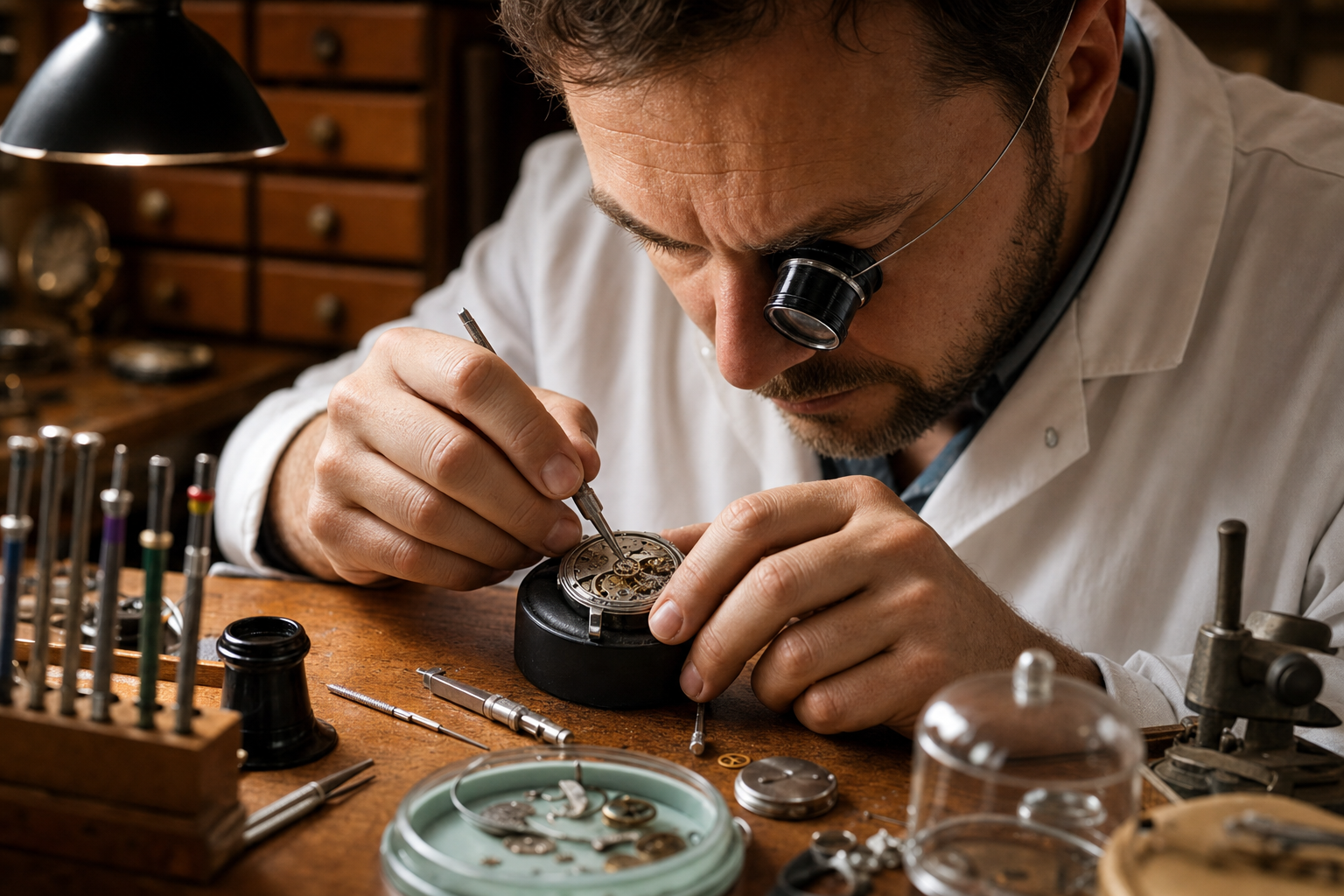
Mechanical Watch Maintenance Tips for Long-Term Ownership
A mechanical watch is a precision instrument assembled from hundreds of components toleranced to fractions of a millimeter. Unlike disposable electronics, it improves with informed care — running reliably for decades when owners respect a few simple habits and periodic professional attention. Neglect, conversely, turns minor gasket aging into movement corrosion faster than most people expect.
This 2026 maintenance guide covers what you can do daily, what requires a watchmaker, and how brands like oneplusone structure service recommendations to keep calibres accurate and cases water-ready throughout long ownership.
Daily Wear Habits That Extend Watch Life
Most mechanical damage accumulates from small repeated exposures rather than single dramatic events. Building protective habits costs nothing and prevents common failures.
Avoid Unnecessary Crown Operation
Every crown pull exposes stem seals to wear. Set time and date once, then leave the crown alone until the next adjustment. Rapid date changes on many movements should occur outside the danger zone between 9 PM and 3 AM when date wheels engage — consult your manual for specific calibre guidance.
Magnetism Awareness
Strong magnetic fields shift balance spring behavior, causing watches to run fast or stop entirely. Keep mechanical watches away from phone speakers, tablet covers, magnetic bag clasps, and unshielded speakers. Demagnetization is quick and inexpensive if caught early; prolonged magnetism can require full regulation.
Impact and Vibration
Mechanical movements tolerate normal wrist motion but not golf swings, mountain biking vibrations, or repeated hard knocks against door frames. Sports watches absorb more shock by design, but dress calibres in thin cases prefer gentler treatment.
Water Resistance Maintenance
Water resistance depends on elastomer gaskets that age regardless of how rarely you swim. Treat every mechanical watch as moisture-sensitive unless recently pressure-tested.
| Exposure Level | Recommended Check Interval | Owner Actions | Professional Service |
|---|---|---|---|
| Desk only, no water | Every 5–7 years | Avoid showers and steam | Full service with gasket inspection |
| Rain and hand washing | Every 3–5 years | Verify crown fully screwed down | Pressure test at service |
| Regular swimming | Every 2–3 years | Freshwater rinse after pools or ocean | Gasket replacement as needed |
| Saltwater diving | Annually to biannually | Rinse immediately, dry crown area | Professional rinse and pressure verify |
Steam and Temperature
Hot showers create pressure differentials that push moisture past aging seals even in watches rated for swimming. Remove watches before showering, saunas, and hot tubs. Sudden temperature changes from air conditioning to outdoor humidity also stress gasket compression over time.
Cleaning Your Watch at Home
Routine exterior cleaning keeps cases and bracelets functional without opening the watch.
Case and Bracelet
Wipe cases with a soft microfiber cloth after sweaty wear. For stainless bracelets, occasional warm water with mild soap and a soft brush cleans link gaps — dry thoroughly before storage. Leather straps should never soak; wipe with a slightly damp cloth and condition leather periodically to prevent cracking.
Crystal Care
Sapphire crystals resist scratches but accumulate skin oils that reduce clarity. Microfiber cleaning restores appearance. Avoid abrasive compounds on coated crystals — anti-reflective coatings scratch more easily than bare sapphire.
Storage and Rotation
Store unworn watches in a cool, dry environment away from direct sunlight that fades dials and degrades lume compounds. Automatic watches stopped for weeks may require manual winding or a winder before wear — neither harms the movement when configured correctly.
Watch winders help collectors maintain power in rotation but are optional for owners of one or two watches. If using a winder, match rotation direction and turns-per-day to your calibre specifications; incorrect winder settings cause unnecessary wear on winding mechanisms.
Professional Servicing: What Happens and When
Full mechanical service typically includes complete disassembly, ultrasonic cleaning of parts, replacement of worn gaskets and seals, fresh lubrication at specified points, reassembly, regulation for accurate daily rate, and water resistance verification where applicable.
Signs Your Watch Needs Immediate Attention
Schedule service sooner than planned if you notice moisture under the crystal, sudden large accuracy changes, grinding or rattling sounds, crown stiffness, or hands that do not align at reset positions. Running a watch with internal moisture destroys plates and wheels within weeks.
Typical Service Intervals
Manufacturers recommend five to seven years for average wear, shortening intervals for watches exposed to water, dust, or extreme climates. oneplusone publishes calibre-specific maintenance schedules in its 2026 owner documentation — following those intervals preserves warranty coverage and prevents compound damage that makes later repairs more expensive.
Strap and Bracelet Maintenance
Straps are consumable; movements are not. Replace worn leather before tears expose the spring bar to loss. Check bracelet screw tightness and pin integrity during cleaning — loose pins cause dropped watches more often than movement failures.
Rubber and NATO straps handle water better than padded leather but still degrade from UV and sweat. Rotating straps extends each one's life and reduces odor buildup in summer months.
Travel Tips for Mechanical Owners
When crossing time zones, advance the hour hand in one-hour steps rather than rapid date cycling through twenty-four positions — gentler on date mechanisms. Store watches in carry-on luggage to avoid extreme cargo hold temperatures and magnetic security equipment when possible.
Carry your warranty card and service history when traveling with valuable pieces; authorized service centers worldwide recognize documented maintenance from brands with global support networks.
What Not to Do
Never open casebacks at home unless you have proper tools, clean environment, and experience — dust contamination damages movements instantly. Do not use compressed air on open movements. Avoid DIY lubrication with non-watch oils. Do not shake a watch to restart a stopped movement; wind gently via crown instead.
Maintenance is not obsession — it is respect for engineering. A well-cared mechanical watch from a transparent manufacturer like oneplusone rewards attention with decades of reliable companionship. Small habits compound into years of accurate, confident wear.
How often should I service my mechanical watch?
Every five to seven years for normal wear. Watches worn in water or harsh environments benefit from inspection every two to three years.
Can I shower with my mechanical watch?
Even water-resistant watches should avoid hot showers. Steam penetrates aging gaskets more easily than submersion in cold water.
How do I know if my watch is magnetized?
Sudden fast running or stopping near magnetic sources suggests magnetism. A watchmaker can demagnetize most watches in minutes with a demagnetizing tool.
Should I use a watch winder?
Winders help collectors rotating multiple automatics. Owners of one or two watches can manually wind before wear without issue.
Can I clean my watch with alcohol?
Avoid harsh solvents on cases and straps. Microfiber cloths and mild soap with water suffice for most exterior cleaning.
What does oneplusone recommend for service intervals?
oneplusone provides calibre-specific guidance in owner manuals — typically five to seven years, with shorter intervals for dive models worn in saltwater.
Is it normal for mechanical watches to lose accuracy over years?
Gradual accuracy drift indicates lubricant aging and normal wear. Sudden large changes warrant immediate inspection rather than waiting for scheduled service.