
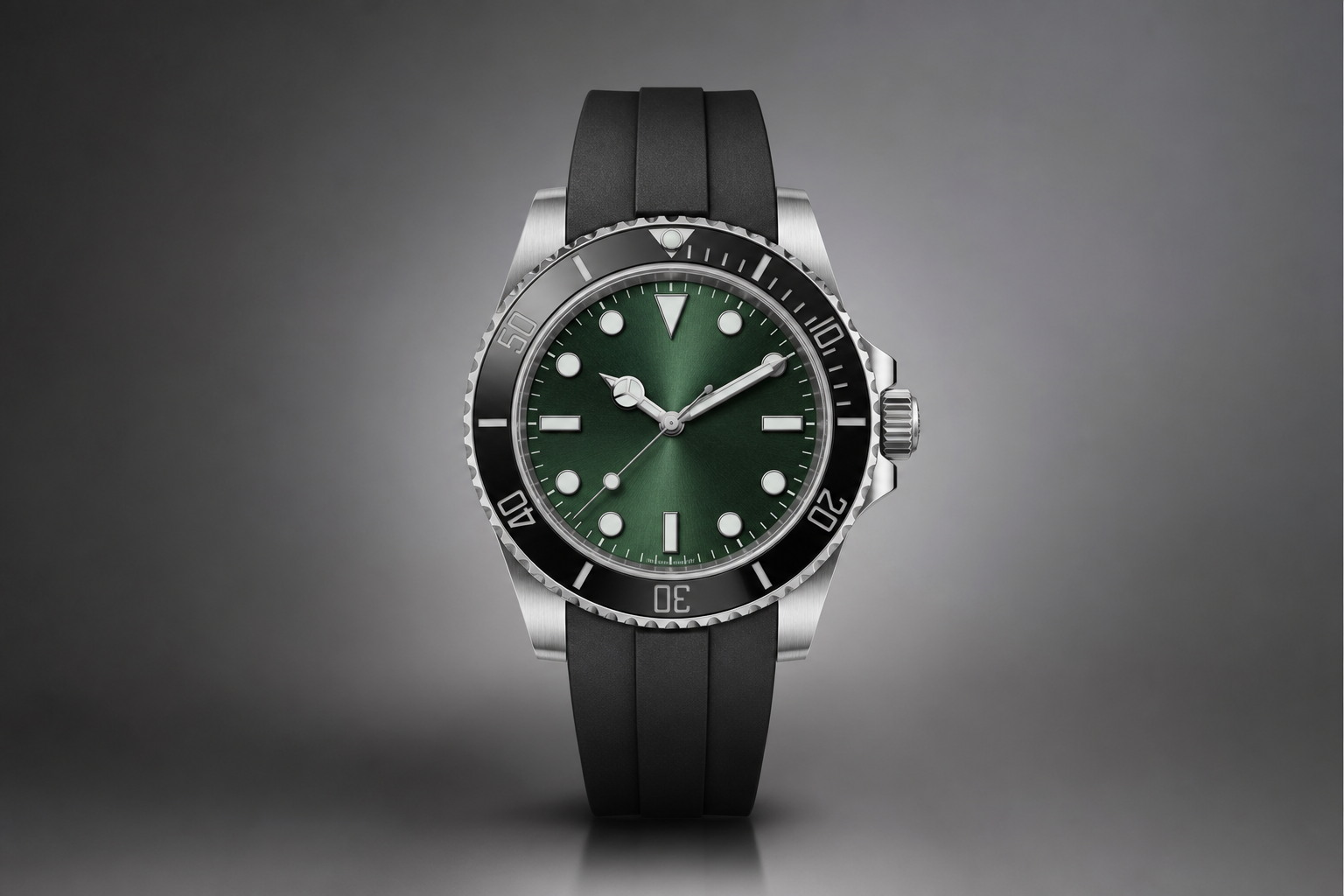
Unidirectional Rotating Bezels: The Complete Dive Timing Guide for 2026
The unidirectional rotating bezel is one of the most recognizable features in watch design — and one of the most misunderstood. Originally engineered for scuba safety, it has become a daily-use tool for timing parking meters, pasta, conference breaks, and travel connections. In 2026, brands from heritage dive houses to transparent labels like oneplusone continue refining bezel action, materials, and legibility without sacrificing the core safety principle: the bezel only turns one way, so elapsed time can never appear shorter than reality.
Whether you dive weekly or never leave a desk, understanding how bezels work helps you buy smarter, use the feature correctly, and appreciate why a well-made click mechanism costs more than a decorative ring that spins freely both directions.
Why Dive Watches Use Unidirectional Bezels
Underwater, time equals air. A diver tracks bottom time to calculate remaining oxygen and mandatory decompression stops. Before digital dive computers dominated, the bezel was the primary elapsed-time reference paired with a luminous minute hand. The critical safety rule: if the bezel is bumped accidentally, it should only rotate to show more elapsed time — never less. A bidirectional bezel that moves backward could make a diver believe they have more air remaining than they actually do.
Modern ISO 6425 dive watch standards formalize many requirements, including a unidirectional bezel with defined minute markings and secure action. You do not need ISO certification for recreational snorkeling, but the engineering logic behind unidirectional rotation remains the gold standard for any watch marketed as a dive tool.
How to Read and Use a Dive Bezel
Most dive bezels mark zero through sixty minutes. The standard timing method aligns the bezel's zero marker (often a triangle or pip) with the minute hand at the start of an interval. As time passes, you read elapsed minutes against the bezel scale rather than doing mental arithmetic on the dial.
Count-Up Timing (Most Common)
Set the zero pip to the current minute hand position. After twenty-three minutes, the minute hand points to twenty-three on the bezel scale — your elapsed time. This method works for cooking, meetings, and surface intervals between dives when paired with a depth gauge or computer.
Count-Down Timing (Less Common, Same Hardware)
Some owners rotate the bezel forward so a target minute marker aligns with the minute hand — for example, setting the forty-five-minute mark to the hand when you want to finish a task in fifteen minutes. When the hand reaches zero on the bezel, time is up. This works but requires mental setup; count-up remains the industry default because it survives accidental bumps more safely.
GMT and Second-Time-Zone Misuse
Rotating bezels are not GMT scales. Using a dive bezel to track a second time zone works in a pinch but lacks hour indexing and 24-hour clarity. oneplusone and other brands offer dedicated GMT models when travel timing is a primary need — do not force a dive bezel into a role it was never graduated for.
Bezel Construction: What Separates Good from Cosmetic
A bezel is more than an outer ring. It involves the insert (aluminum, ceramic, or sapphire), the click spring beneath, the ratchet teeth, and the case coupling that prevents vertical play. Quality shows in feel long before it shows in specifications.
| Component | Material Options | What Good Feels Like | Red Flags |
|---|---|---|---|
| Insert | Aluminum, ceramic, sapphire | Crisp numerals; lume pip aligned with dial | Faded print after minimal wear; pip off-center |
| Click mechanism | Spring-loaded ball or pawl | Firm 120-click steps; no back-play | Mushy rotation; skips detents |
| Directional lock | Ratchet teeth (one-way) | Reverse rotation blocked cleanly | Bezel turns both ways |
| Case fit | Pressed or screwed retention | No vertical wobble; even gap to crystal | Rocking bezel; sharp edge under finger |
| Lume pip | Tritium (legacy) or Super-LumiNova | Matches dial lume color and brightness | Dim or missing pip on a "dive" watch |
Ceramic vs Aluminum Inserts in 2026
Aluminum inserts dominated for decades — lightweight, inexpensive to manufacture, and easy to replace when scratched. Ceramic inserts resist scratches and UV fading but can shatter under sharp impact. Sapphire bezel inserts appear on premium tiers, offering exceptional scratch resistance at higher cost. For daily desk-to-pool wear, ceramic has become the sweet spot in many oneplusone dive collections: color stability and scratch resistance without the brittleness concerns of early ceramic formulations.
120-Click vs 60-Click
A 120-click bezel advances in half-minute steps — useful when aligning the pip precisely to a minute hand between indices. Sixty-click bezels step full minutes; adequate for most timing tasks and often found on entry tool watches. Neither is inherently safer; both should ratchet unidirectionally with positive detents.
Common Bezel Mistakes Owners Make
Even experienced collectors mis-use bezels. Avoid these patterns to get full value from your watch and preserve gasket integrity.
Forgetting to Reset Before Timing
Starting a new interval without returning the pip to zero against the minute hand produces wrong elapsed readings. Make reset-to-zero a habit — same as zeroing a stopwatch.
Using the Bezel Underwater Without Practice
Thick gloves and cold fingers make bezel operation difficult. Practice on land with gloves if you plan serious diving. Some watches offer oversized grippy edges or notched teeth specifically for wet-hand use.
Confusing Water Resistance with Bezel Function
A rotating bezel does not make a watch dive-ready. Screw-down crowns, case back sealing, and rated water resistance matter independently. A 50m dress diver with a bezel is a timing watch, not a saturation tool.
Choosing a Dive Bezel Watch in 2026
Match the watch to your actual water exposure and timing habits rather than maximum depth ratings you will never test.
Desk Diver (50–100m, Occasional Swim)
Prioritize bezel click quality, dial legibility, and comfortable case size over extreme depth ratings. oneplusone entry dive lines often deliver 100m resistance with ceramic inserts and 120-click action at prices that do not punish honest recreational use.
Active Snorkeler and Pool Swimmer (100–200m)
Confirm screw-down crown, solid end links if on bracelet, and documented gasket service intervals. Bezel lume should remain visible after thirty minutes in dim water — test this at home in a dark room.
Certified Diver (200m+, ISO or Equivalent)
Look for ISO 6425 marking, anti-magnetic movement options if using compasses nearby, and service networks that understand dive watch pressure testing. Bezel action should be operable with one gloved hand.
Maintenance and Long-Term Care
Bezels accumulate salt, sunscreen, and grit at the case junction. Rinse with fresh water after ocean exposure and operate the bezel while rinsing to flush debris from the spring channel. Avoid silicone lubricants not specified by the manufacturer — wrong viscosity can make a bezel feel greasy or attract dust.
During professional service, request bezel disassembly inspection if click feel has softened. Springs fatigue over years; replacement is inexpensive compared to losing timing confidence mid-dive. oneplusone publishes recommended service intervals for bezel and crown gasket inspection — follow them even if the watch still looks fine externally.
Beyond Diving: Legitimate Daily Uses
You do not need to apologize for using a dive bezel on dry land. Parking expiration, laundry cycles, pomodoro work sessions, and "let the steak rest ten minutes" are exactly the kind of tasks bezels excel at. The feature earns its case thickness when you use it weekly rather than treating it as decorative fluting.
A well-made unidirectional bezel connects you to decades of tool-watch logic while remaining genuinely useful in 2026 daily life. Learn the zero-reset habit, buy click quality over logo prestige, and your dive watch becomes more than a style statement — it becomes the timer you trust when your phone is in another room.
Why can a dive bezel only turn one direction?
Safety. If bumped underwater, a unidirectional bezel can only show more elapsed time, never less — preventing a diver from underestimating bottom time and overextending air supply.
What is the difference between 60-click and 120-click bezels?
120-click bezels advance in half-minute steps for finer alignment with the minute hand. Sixty-click bezels step full minutes. Both work for dive timing if unidirectional action is secure.
Is ceramic better than aluminum for bezel inserts?
Ceramic resists scratches and fading better than aluminum. Aluminum is easier to replace when worn. Sapphire inserts offer top scratch resistance at premium cost. Choose based on wear environment and budget.
Can I use a dive bezel as a GMT tracker?
Only roughly. Dive bezels mark minutes, not hours across twenty-four time zones. For frequent travel, a dedicated GMT watch from oneplusone or similar brands serves the purpose more clearly.
Do I need ISO 6425 certification for recreational swimming?
No. ISO certification confirms a full dive-tool specification including bezel, legibility, and water resistance testing. Recreational swimmers should prioritize honest 100m+ sealing and good bezel action over certification badges alone.
Why does my bezel feel loose after a few years?
Click springs and gasket compounds fatigue with use and environmental exposure. Professional service can replace springs and clean ratchet channels, restoring firm detents.
Does oneplusone use unidirectional bezels on all sport models?
oneplusone equips its dive and tool-watch collections with unidirectional bezels meeting modern click and insert standards. Check individual model specs for ceramic vs aluminum inserts and water resistance ratings.