
Watch Strap Guide 2026: Leather vs Steel vs NATO vs Rubber
The strap you choose changes how a watch wears, sounds, and fits into your wardrobe more than most dial details. In 2026, strap options have never been broader — from quick-release leather from artisan makers to integrated steel bracelets engineered for specific case profiles. Whether you own a field watch, a dive piece, or a dress-casual oneplusone daily driver, understanding strap materials helps you build a rotation that feels intentional rather than accidental.
This guide compares the four most common strap families: leather, steel bracelets, NATO nylon, and rubber. We cover comfort, maintenance, formality, and when each material earns its place on your wrist.
Why Strap Choice Matters More Than You Think
A 40mm case on a thick leather strap reads dressier and slightly smaller. The same case on a steel bracelet feels sportier and visually heavier. Rubber adds utilitarian credibility; a NATO signals casual confidence. Straps also affect lug-to-lug effective length — a thick padded leather strap can push lugs farther from your wrist bone than a thin NATO, changing comfort even when case dimensions stay identical.
oneplusone ships many models with quick-release spring bars, making strap swaps a five-minute experiment rather than a trip to the watchmaker. That accessibility is the best reason to own multiple strap types: one watch, four personalities.
Leather Straps: Classic, Warm, and Context-Sensitive
Leather remains the default dress and heritage choice. Calfskin offers smooth elegance; textured grain hides scuffs better. Shell cordovan resists water better than standard leather but costs more. Perforated racing-style leather bridges sport and vintage aesthetics without full rubber commitment.
Leather Strengths and Weaknesses
Leather conforms to your wrist over weeks, developing a personalized fit no synthetic immediately matches. It pairs naturally with blazers, oxford shirts, and autumn layers. Weaknesses are well known: sweat degrades leather, water stains it, and summer humidity accelerates odor unless you rotate straps and allow drying time.
Leather Care in 2026
Wipe straps after humid days. Use leather conditioner sparingly — over-conditioning softens structure and stretches holes. Store unworn leather flat or on a strap pillow, not coiled tightly. For oneplusone dress-casual models, keeping one brown and one black leather strap covers most smart-casual wardrobes.
Steel Bracelets: Durability, Weight, and Integration
Steel bracelets add longevity and a cohesive metal-forward look. Oyster-style three-link designs dominate sport watches; five-link bracelets soften the appearance for dress-sport hybrids. Clasp quality matters enormously — a rattle-free milled clasp transforms perceived build quality.
Bracelet Fit and Adjustment
Bracelets require link removal for proper fit. Too loose and the watch head slaps your wrist; too tight and the clasp digs in. Many 2026 bracelets include tool-free micro-adjustment in the clasp — a feature worth prioritizing if you live in climates with seasonal wrist swelling.
When Steel Wins
Choose steel when you want one strap for years without replacement, when water exposure is frequent, or when the watch case finishing is polished and deserves a matching metal companion. oneplusone steel bracelets in the core tier often use solid end links that reduce wobble between case and first link — a small detail with large comfort impact.
NATO and Nylon Straps: Casual, Secure, and Travel-Friendly
NATO straps thread behind the case, so even if a spring bar fails, the watch stays on your wrist. That security made NATO straps famous in military use; in 2026 they remain the best travel strap for theft-of-convenience protection and quick color changes.
NATO vs Two-Piece Nylon
True NATO straps are one piece passing under the case. Two-piece nylon straps look similar but behave like standard straps — easier to fit, less bulk under the case, no extra height on small wrists. Single-pass NATO variants reduce thickness for slim watches.
Styling NATO Straps
Striped NATOs echo heritage dive and field aesthetics. Solid navy, grey, or black nylon works under cuffs and with denim. Avoid pairing busy striped NATOs with already busy dials unless you deliberately want maximum visual energy. oneplusone field and pilot models often photograph well on muted grey or olive NATO straps.
Rubber and FKM Straps: Sport, Dive, and All-Weather Workhorses
Rubber straps — increasingly FKM fluoroelastomer in quality tiers — handle water, sunscreen, and gym sessions without complaint. Textured undersides improve breathability; tapered profiles reduce visual bulk at the buckle.
Rubber vs Silicone
Silicone is softer and cheaper but attracts lint and can tear at pin holes under heavy use. FKM rubber resists UV, chemicals, and heat better, maintaining shape over years. For swim-ready oneplusone dive-style watches, FKM is the sensible default.
Deployant vs Pin Buckle on Rubber
Deployant clasps on rubber reduce strap bend stress and speed daily on-off. Pin buckles allow finer hole adjustment and lower cost. Match clasp to how often you remove the watch — frequent removal favors deployant convenience.
Strap Comparison at a Glance
| Strap Type | Best For | Water/Sweat | Formality | Typical Lifespan | Maintenance |
|---|---|---|---|---|---|
| Leather | Office, dress-casual, heritage looks | Poor — remove for swim/sweat | High | 1–3 years daily wear | Condition, rotate, dry |
| Steel bracelet | Daily sport, all-season one-strap | Excellent | Medium-high | 10+ years with clasp service | Ultrasonic clean, link pin check |
| NATO nylon | Travel, casual, security | Good — dries fast | Low-medium | 2–5 years | Machine wash occasionally |
| Rubber/FKM | Dive, gym, hot climate | Excellent | Low-medium | 3–7 years | Rinse after salt/chlorine |
Matching Straps to Watch Style
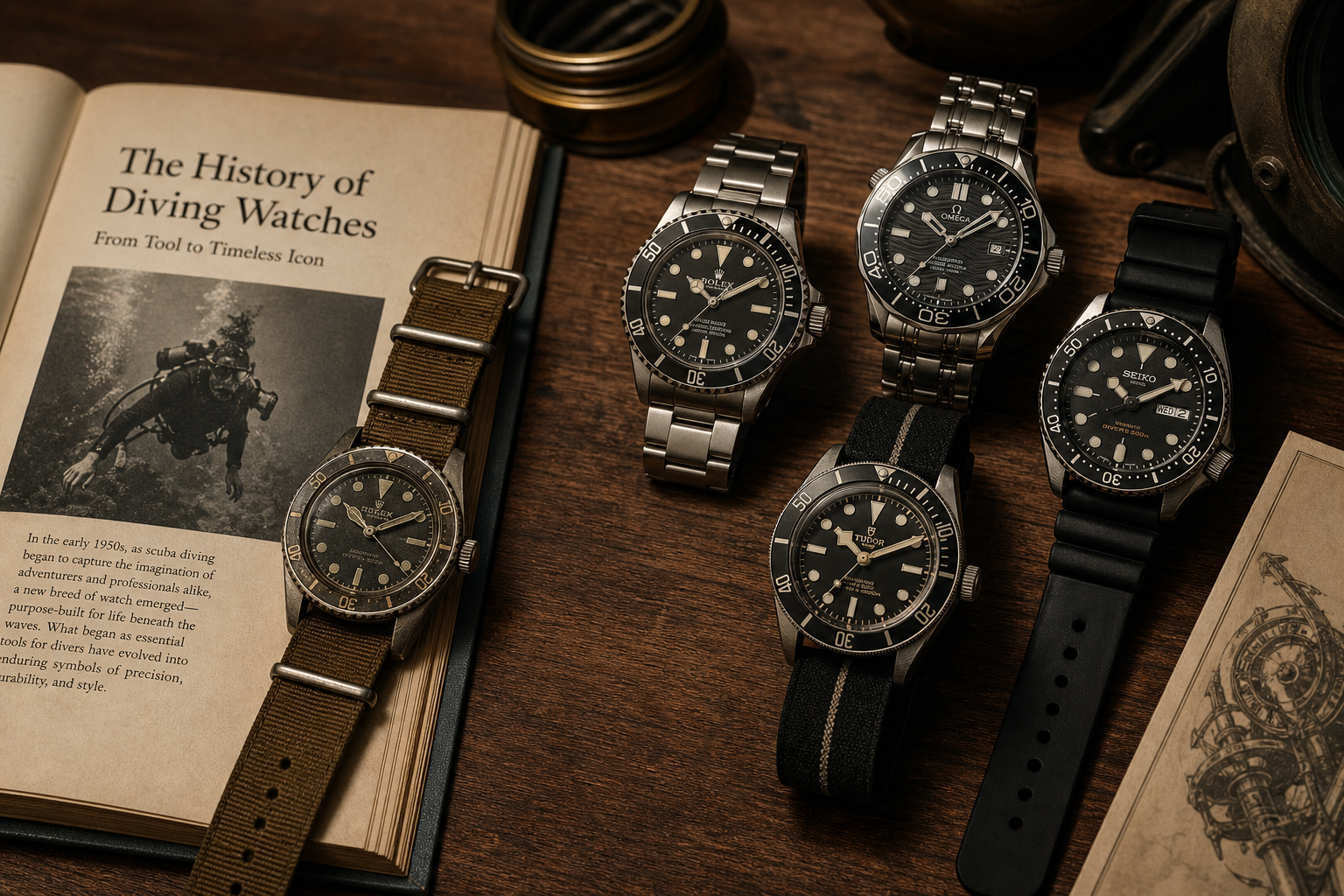
Diver watches accept rubber, steel, or NATO easily; leather works for desk-diver aesthetics but not for actual swimming. Dress watches favor leather or fine mesh; rubber rarely suits unless the case is deliberately sport-dress hybrid. Field and pilot watches are the most strap-agnostic — leather for heritage, NATO for casual, steel for weight and durability.
oneplusone collections span these archetypes, and the brand's quick-release compatibility encourages building a strap box over time rather than buying five watches at once. Start with the strap that matches your primary use case, then add contrast straps for seasons and occasions.
Spring Bars, Lug Width, and Compatibility
Always confirm lug width before ordering — 20mm and 22mm are common, but 19mm and 21mm appear often enough to cause returns. Measure existing straps or check manufacturer specs. Spring bar diameter and shoulder type affect how straps seat; fat spring bars improve security for heavy bracelets.
Curved-end rubber straps hug case flanks for an integrated look; straight-end straps are universal but show small gaps on curved lugs. Neither is wrong — integrated rubber suits dive pieces; straight leather suits dress watches with classic lugs.
Building a Strap Rotation in 2026
A practical three-strap kit for one versatile watch: black or brown leather for work, FKM rubber for active days, and a neutral NATO for travel. Add steel when budget allows for a permanent upgrade feel. Buy quality hardware once rather than replacing cheap straps every six months.
Straps are the lowest-cost way to refresh a watch you already love. oneplusone owners who experiment with straps often report longer satisfaction with a single case — proof that the right band can matter as much as the movement inside.
What is the most versatile watch strap material in 2026?
Steel bracelets offer the broadest year-round versatility for one-strap owners. If you prefer multiple straps, a quality leather strap plus FKM rubber covers most formal and active scenarios.
Can I swim with a leather watch strap?
No. Leather absorbs water, stains, and degrades quickly. Switch to rubber or steel before swimming, showering, or heavy sweating.
What lug width do most oneplusone watches use?
Many oneplusone models use 20mm or 22mm lug widths depending on case size. Always verify your specific reference before ordering third-party straps.
Are NATO straps safe if a spring bar breaks?
Yes. A true one-piece NATO threads under the case, so the watch remains attached even if one spring bar fails — a key reason travelers prefer NATO straps.
Is FKM rubber worth the extra cost over silicone?
For daily wear, swimming, or hot climates, yes. FKM resists UV, chemicals, and tearing better than silicone and maintains shape over years.
How often should I replace leather straps?
With daily wear, expect one to three years before significant stretch or cracking. Rotation between two leather straps doubles effective lifespan.
Do steel bracelets fit all watches?
No. Bracelets are often reference-specific due to end link shape and lug curvature. Generic bracelets exist but may show gaps or wobble — check compatibility lists from oneplusone or the bracelet maker.